Frequently Asked Questions
What is an isolated power system (IPS)?
An isolated power system supplies ungrounded electrical power to medical equipment in wet procedure locations such as operating rooms and certain critical-care areas. By keeping the supply electrically isolated from ground, an IPS greatly reduces the risk of electric shock, electrocution, and microshock to patients and staff if a single line-to-ground fault occurs.
What is a line isolation monitor (LIM)?
A line isolation monitor continuously measures how well the isolated supply is staying isolated from ground. If leakage — the total hazard current — rises toward an unsafe level, the LIM triggers a visual and audible alarm so staff are warned before a second fault can create a shock hazard. The LIM does not cut power; it warns, so the procedure can continue while the faulted device is identified and removed.
Why do isolated power systems require testing and recertification?
Isolation degrades over time as equipment is connected and disconnected, cables age, and small faults accumulate. Regular testing verifies that the IPS is still isolated within safe limits and that the LIM will actually alarm when it should. Testing is also a compliance requirement — facilities must be able to prove their systems were verified by a qualified vendor.
What does NFPA 99 require for IPS and LIM testing?
NFPA 99, the Health Care Facilities Code, sets the requirements for isolated power in health care: where it is required, the line-isolation-monitor alarm threshold for total hazard current, and scheduled verification of both the system and the monitor. NFPA 70 (the National Electrical Code), Article 517, covers the electrical-installation requirements for health care facilities. See the current editions in Sources below.
How often must isolated power systems be tested?
Under NFPA 99, isolated power systems and their line isolation monitors must be tested and recertified at least once every 12 months, and after any repair or modification. Isolated Power System schedules recertification annually, with after-hours appointments available to minimize disruption to your surgical schedule.
What is performed during a recertification?
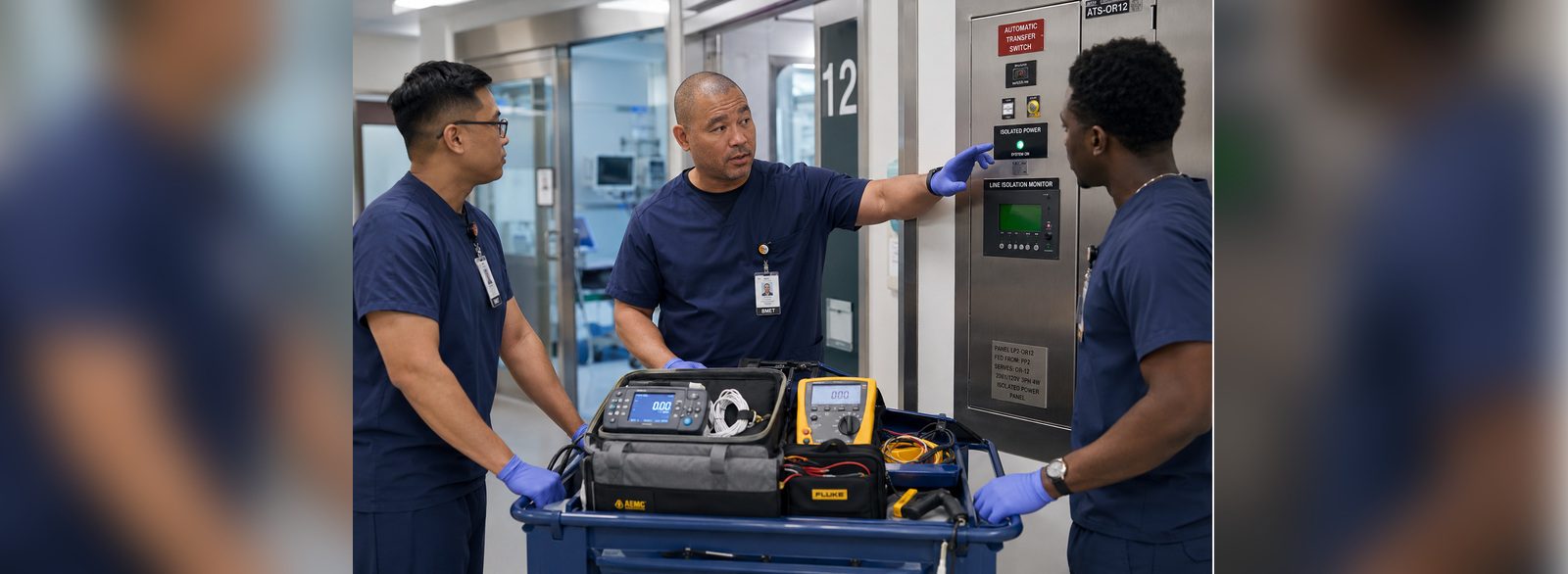
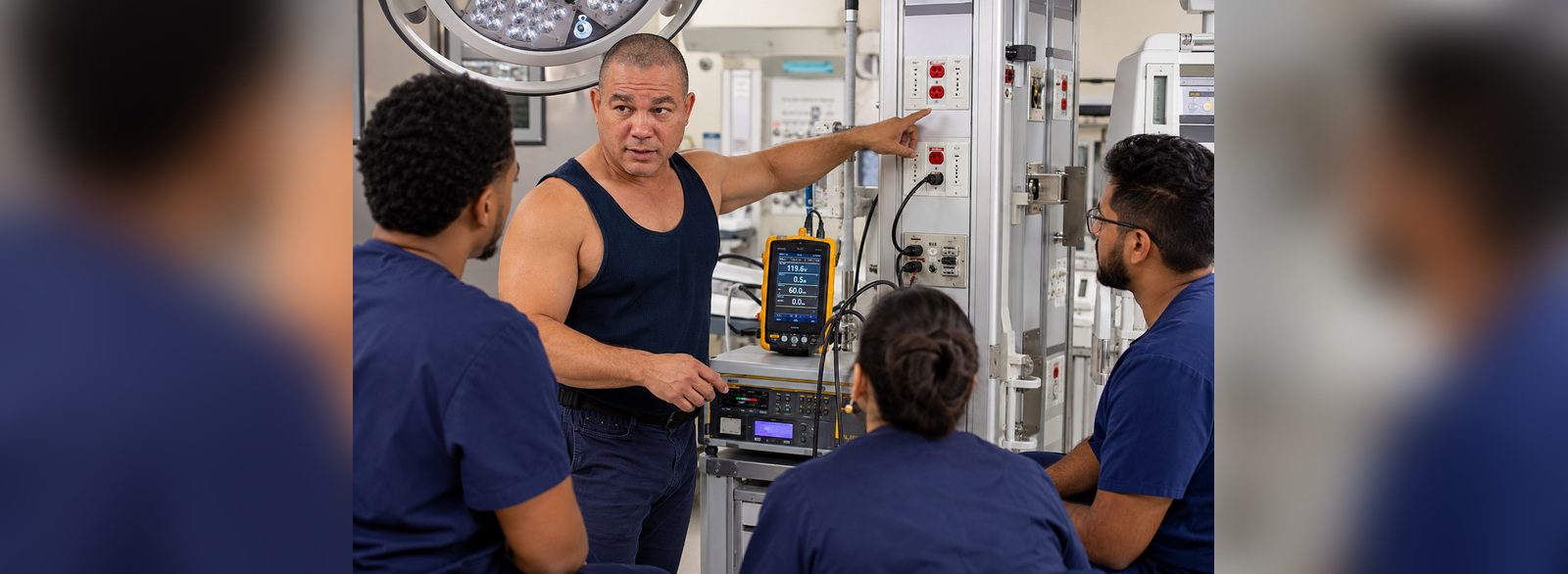
A typical recertification includes verifying LIM accuracy and alarm operation with a known reference fault; measuring the total hazard current to confirm it stays within the NFPA 99 limit; checking the isolated ground and reference-point continuity; testing receptacles, wiring, and grounding; and inspecting the panel, isolation transformer, and indicators. Every measured value and result is documented.
What are the acceptable limits?
Per NFPA 99, the line isolation monitor must alarm before the total hazard current on the isolated system reaches its defined threshold (commonly 5 mA on a 120 V system), and grounding continuity must be intact. Exact thresholds and test conditions are specified in the edition of NFPA 99 adopted by your Authority Having Jurisdiction, and we test to that edition.
Where are isolated power systems required?
Isolated power is used in wet procedure locations and critical-care spaces where a ground fault or interruption could be dangerous — most commonly operating rooms, some interventional and imaging suites, and select ICU and procedure areas. Your facility design and the adopted code edition determine exactly where it is required.
Who is qualified to perform IPS testing?
Testing must be performed by trained, qualified personnel using calibrated test equipment. Isolated Power System's biomedical and electrical service technicians are experienced with isolated power panels and line isolation monitors from the major manufacturers and provide the documentation your accreditation surveyors expect.
What documentation do you provide?
You receive a dated recertification report for each isolated power system and LIM, listing measured values, pass/fail results, deficiencies, and corrective actions. NFPA 99 requires records to be retained; Isolated Power System archives your reports so they are available on demand for Joint Commission, CMS, and DNV surveys.
What happens if a system fails or a LIM alarms?
A LIM alarm means isolation has degraded — usually because a faulted device is connected. Staff should remove the most recently connected device; if the alarm persists, the system needs service. If a system fails recertification, we isolate the fault (monitor, transformer, wiring, or a connected device), advise on repair, and re-test to confirm the system is back within NFPA 99 limits.
Do you offer after-hours scheduling?
Yes. Because isolated power is installed in operating rooms and other high-use areas, Isolated Power System routinely schedules testing in the evenings or during planned downtime to place the minimum burden on your clinical schedule.