NFPA 99 (2026) Wet-Procedure-Location Accountability Framework: A Field Tester's Walkthrough of Every New Documentation Line
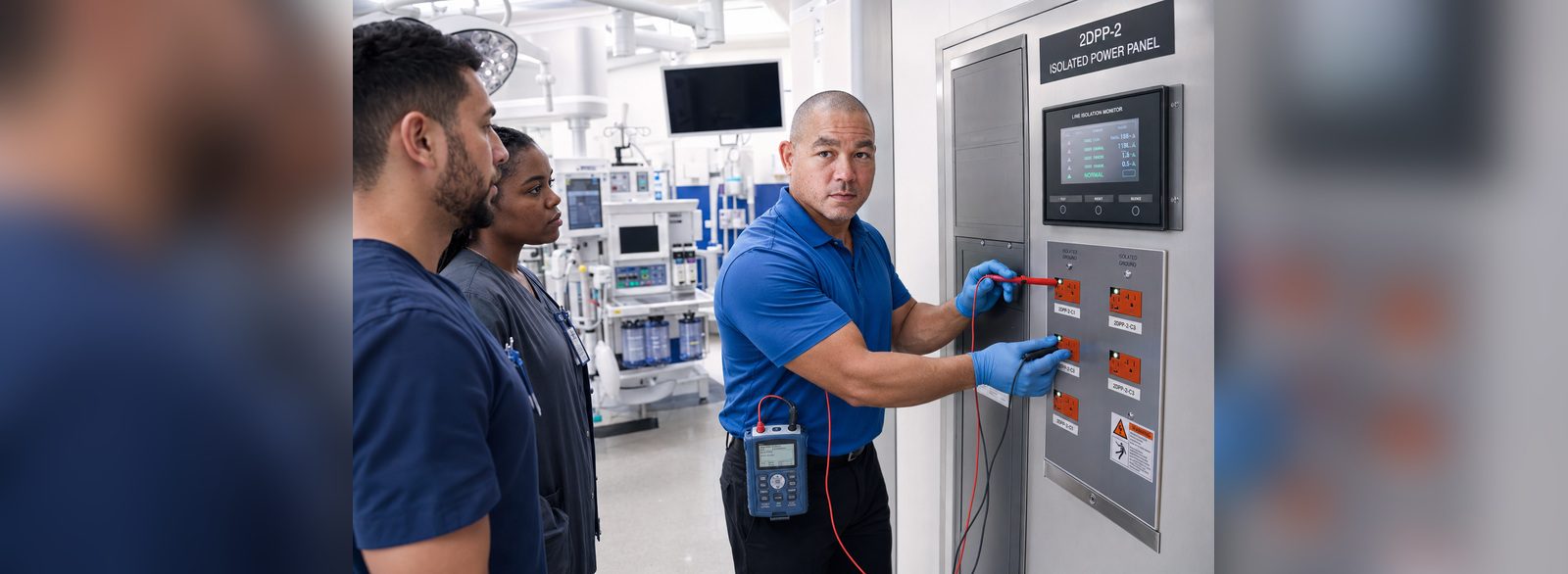
NFPA 99, Health Care Facilities Code, classifies operating rooms as wet procedure locations unless a facility governing body's risk assessment determines otherwise. Where isolated power is installed, the standard expects the line isolation monitor and system to be verified and the results retained. The recurring challenge for testers is not the electrical measurement — it is proving, on paper, who performed the verification, what was observed, and how any deficiency was resolved.
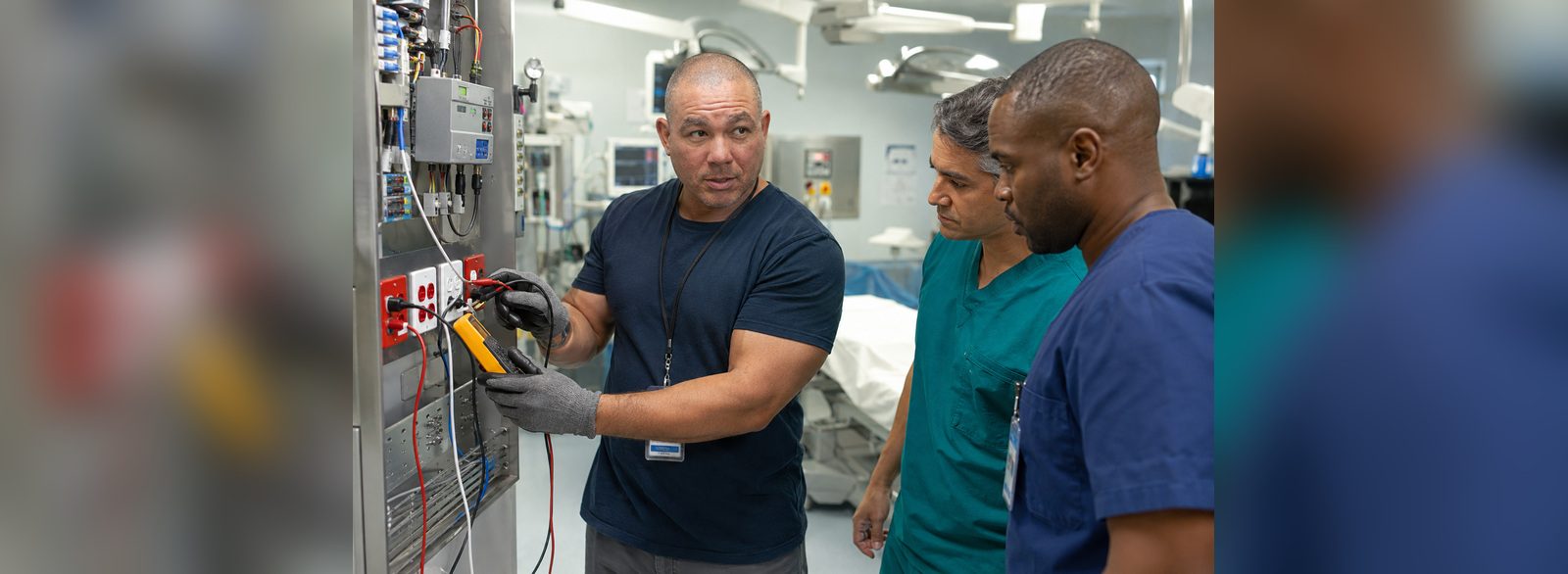
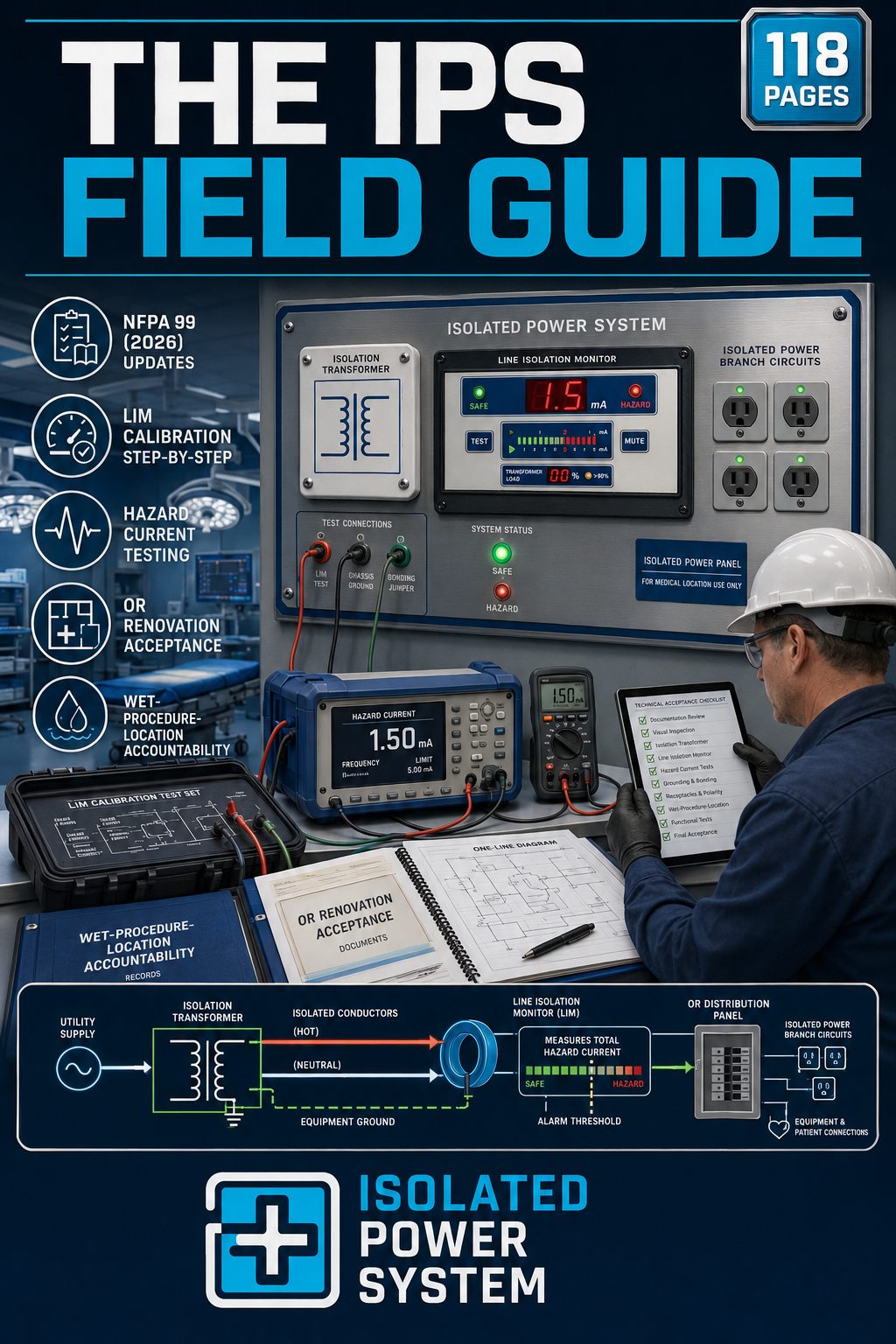
That is where a disciplined accountability framework earns its keep. For each wet procedure location we document the responsible party, the conditions verified, the total-hazard-current reading against the roughly 5 mA LIM alarm threshold, and the corrective action taken when something falls out of specification. Every line ties back to the panel's nameplate and the room it serves, so an auditor can follow the trail without guesswork.
CMS and accrediting organizations survey hospitals against a safe environment of care, and vague or missing records are a common source of findings. We walk facilities through the documentation line by line, leave behind clean templates on every annual visit, and frame corrective-action language the way surveyors expect to read it — clear, specific, and closed out.
Worth planning for now: the next edition of the code is already taking shape. Trade coverage of the 2027 edition of NFPA 99 describes changes across electrical systems, medical gas and vacuum, and — newer territory for a facilities code — cybersecurity, along with a move away from the fixed requirement to place isolated power and telecommunications rooms at 20,000-square-foot intervals in favor of a risk- and function-informed framework. That direction should sound familiar, because it is the same logic that already governs wet procedure locations: the facility’s own documented risk assessment decides, and the documentation has to hold up under someone else’s reading. Facilities that keep clean, defensible line-isolation-monitor records today will adopt the next edition with paperwork rather than panic. We follow the revision cycle so our templates stay current, and we will tell you which of your rooms the change is likely to touch before your next annual visit.
Sources: NFPA 99, Health Care Facilities Code; CMS Conditions of Participation; Facilities Dive — NFPA Health Care Facilities Code 2027 Updates